Best Mehndi Applicators: Cones, Bottles, and Tips
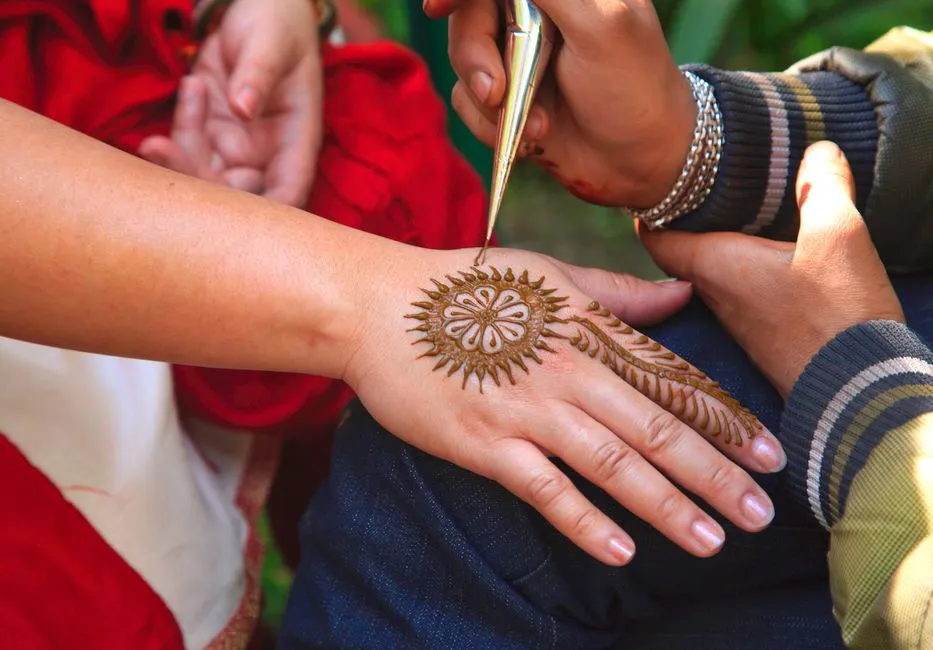
- The verdict: start with a small hand-rolled cone
- Top picks at a glance
- Best overall: hand-rolled cellophane cone
- Best refillable: soft squeeze bottle
- Best consistent line: metal-tip bottle
- Tip size is a design choice
- Grip and hand comfort
- Reuse, sharing, and cleaning
- Material safety remains the bigger purchase
- The smallest useful kit
- Final buying check
The verdict: start with a small hand-rolled cone
For most beginners, the best mehndi applicator is a small hand-rolled cellophane cone. It provides direct pressure control, costs little, and can produce fine or bold lines depending on the opening.
A soft squeeze bottle is the best refillable choice for longer practice sessions. A bottle with interchangeable metal tips gives the most repeatable line width, but fine tips clog and require meticulous cleaning.
Buy applicators empty. Tool quality and paste safety are separate decisions. An elegant tip cannot make undisclosed material, black henna, or PPD safe. In the United States, FDA approves henna only as hair dye, not for direct skin application.
Top picks at a glance
| Pick | Best for | Why | Worth knowing |
|---|---|---|---|
| Hand-rolled cone | Direct control and fine lines | Pressure travels straight from hand to paste | Single-use and grip takes practice |
| Soft squeeze bottle | Long sessions and easy refills | Durable, set-down friendly, less folding skill | Less tactile and can pulse if squeezed unevenly |
| Metal-tip bottle | Consistent line widths | Tips are measured and interchangeable | Fine tips clog; cleaning is non-negotiable |
| Practice bottle with broad tip | Dots, fills, and non-skin practice | Forgiving flow and fast cleanup | Cannot rehearse very fine cone work |
Best overall: hand-rolled cellophane cone
Choose clean, unprinted cellophane or another cone material sold for the intended craft. It should be flexible enough to squeeze, stiff enough to hold a point, and free from brittle creases.
Why it wins: fingers sit close to the material, so tiny pressure changes produce immediate line changes. The opening can be cut conservatively and enlarged as needed.
Worth knowing: one bad seam can leak, a large cone tires the hand, and the tool is usually disposable. Pre-cut rectangles improve consistency, but “pre-rolled” cones sometimes have openings larger than their photographs imply.
Before filling anything, roll ten empty cones. A good cone has:
- a tight centred point;
- overlapping material along the seam;
- no printed ink on the contact surface;
- a size comfortable for your hand;
- tape that holds without entering the contents.
Test with a suitable non-skin practice medium first. The first cone can look less like a precision instrument and more like a tiny wizard hat. It still teaches the fold.
Best refillable: soft squeeze bottle
Look for a small flexible bottle with a smooth interior, secure cap, stable base, and replacement tips or caps available. The material should be identified and compatible with the intended contents under the maker's instructions.
Why it wins: it stands upright, refills easily, and avoids rolling and taping each unit. It suits repeated practice on boards, paper, or other appropriate surfaces.
Worth knowing: the hand sits farther from the tip, so control feels less direct. Air pockets can make the line pulse. A stiff bottle encourages excess grip force.
Choose a smaller bottle first. Large capacity sounds efficient until the hand spends an hour squeezing a craft-sized shampoo bottle. Do not leave unidentified material in it; label contents, batch, fill date, and storage.
Best consistent line: metal-tip bottle
Interchangeable stainless-steel tips can produce a repeatable nominal width. Buy a set with clearly stated internal or outlet diameters, a secure threaded connection, cleaning tools, and replacement parts.
Why it wins: changing tips is easier than cutting several cones to identical openings, and the rigid outlet helps compare practice lines.
Worth knowing: fine tips demand smoothly prepared material and clog easily. Forcing a blockage can eject material suddenly or damage the tool. Never aim or press a clogged metal tip against skin.
Clean immediately according to manufacturer instructions. If a tip is rusted, burred, bent, cracked, or impossible to inspect internally, discard it. “Vintage patina” is not a hygiene standard.
Tip size is a design choice
Fine outlets suit delicate lines but expose every inconsistency in material and hand pressure. Medium tips are more forgiving for outlines and practice. Broad tips help fill shapes and make dots.
There is no universal ideal diameter because line width also changes with:
- material viscosity;
- squeeze pressure;
- movement speed;
- distance from the surface;
- outlet shape;
- temperature;
- artist technique.
Buy a small measured range rather than a 30-piece unlabelled set. Create a sample card with each tip, the same practice material, and the date. That tells you more than product titles such as “ultra-micro-professional-bridal.”
Grip and hand comfort
For a cone, hold the filled portion between thumb and fingers with the point projecting below. Fold or secure the open end so pressure moves material forward rather than toward the ceiling. Adjust grip height for comfort and line response.
Avoid sustained pinching, bent wrist posture, and overfilled cones. Use short practice blocks with breaks. Pain, numbness, tingling, or weakness is a reason to stop and seek appropriate advice if it persists—not a rite of artistic passage.
Bottle users can choose soft walls and a diameter that allows relaxed grip. Alternate tasks and keep shoulders down. Craft ergonomics is less glamorous than a time-lapse video and much more useful after the third hour.
Reuse, sharing, and cleaning
Hand-rolled cones are generally single-use. Do not wash and share them. Refillable bottles and metal tips may be reused only when their manufacturer provides an effective cleaning and drying method and local professional rules permit it.
Material must not pass from one client or surface back into a common container. Professional hygiene requirements can be stricter than home craft practice. Follow local rules for handwashing, gloves where appropriate, cleanable surfaces, single-use items, and records.
Tools touching broken or irritated skin should not be used. If an applicator scratches, punctures, or causes bleeding, stop; mehndi application is surface work, not tattooing.
Material safety remains the bigger purchase
Use only completely labelled material for its lawful intended purpose. Read our powder buying guide and powder-versus-cone comparison before filling a tool.
Avoid black henna and suspected PPD. FDA says blackening ingredients often include PPD and reports injuries from products marketed as henna. A tiny outlet does not turn a dangerous ingredient into a tiny danger. Review the mehndi aftercare and safety guide before lawful use so removal, symptom recognition, package retention, and reporting are planned before anybody needs them.
If breathing difficulty, faintness, facial or throat swelling, or another severe reaction occurs, call emergency services. Burns, blisters, spreading redness, swelling, or pain need prompt medical advice. Keep packaging for clinicians and regulators.
The smallest useful kit
For a beginner, buy:
- 10–20 clean pre-cut cone sheets;
- suitable tape;
- one small soft bottle;
- three clearly measured tips—fine, medium, broad;
- tip-cleaning tools specified by the maker;
- labels and a marker;
- a reusable non-skin practice board.
That kit compares formats without a wholesale commitment. Add tools only after the practice log reveals a need.
Final buying check
Before purchase, ask:
- Is the material identified and suitable for the stated purpose?
- Are tip dimensions given?
- Can all reusable parts be inspected, cleaned, and dried?
- Are replacement caps, seals, and tips available?
- Is the grip comfortable at small capacity?
- Are pre-filled contents completely labelled and lawful? If not, buy empty.
Choose the hand-rolled cone for direct control, the soft bottle for refillable convenience, and the metal tip for repeatable widths. The best tool is the one that behaves predictably, cleans honestly, and lets the artist think about the line instead of wrestling the container.