Henna Powder vs Ready-Made Cones: Which Should You Buy?
- The verdict: powder for control, labelled cones for convenience
- Quick comparison
- Best overall for serious control: powder
- Best for occasional convenience: a fully labelled cone
- Best for beginners: powder plus practice medium—or one documented cone
- The black-henna rejection test
- Freshness and cold-chain questions
- Cost: compare usable grams, not package count
- Label every prepared or opened item
- Cultural practice is not a product claim
- Who should buy which format?
The verdict: powder for control, labelled cones for convenience
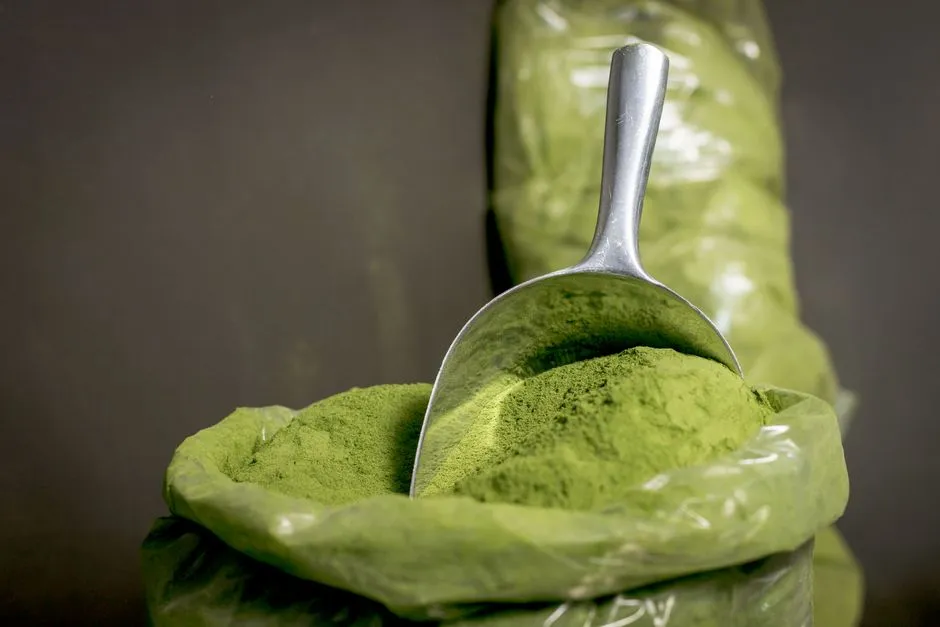
Choose single-ingredient henna powder when you want the clearest ingredient control, adjustable consistency, and larger batches—and can mix, strain, fill, label, and store it properly.
Choose a ready-made cone only when it has a complete ingredient list, batch traceability, seller identity, storage and expiry information, and lawful intended-use directions. Convenience is real; so is the difficulty of auditing paste hidden inside foil.
Reject either format if it promises instant black colour, conceals ingredients, or may contain PPD. U.S. FDA states that henna is approved as a hair dye, not for direct skin application, and PPD is not permitted in cosmetics intended for skin. Local rules differ; verify yours.
Quick comparison
| Factor | Powder | Ready-made cone |
|---|---|---|
| Ingredient control | Highest with a verified single-ingredient label | Depends entirely on full paste disclosure |
| Setup | Mixing, resting, straining, filling | Snip or unseal and use as directed |
| Consistency | Adjustable | Fixed; may separate or thicken with storage |
| Freshness evidence | Batch/date and your own preparation | Batch/date plus seller's temperature history |
| Waste | Mix the quantity needed | Convenient units, but unused cones may expire |
| Learning curve | Higher | Lower at opening, still requires cone control |
| Main drawback | Time and handling | Undisclosed formula and storage are harder to detect |
Best overall for serious control: powder
Why it wins: you can choose a documented single-ingredient henna powder, weigh the batch, follow a transparent formula for its lawful use, and adjust only within those instructions. You also choose the applicator and label the finished batch.
Worth knowing: preparation introduces its own errors. Too much liquid changes control; unsuitable additives create exposure; poor hygiene or storage can contaminate material; a vague internet recipe is not regulatory authorization.
Powder suits experienced practitioners, frequent practice, groups using documented procedures, and anyone who wants formulation visibility. It is less attractive when time, clean workspace, accurate weighing, refrigeration, or storage are unavailable.
Do not improvise high concentrations of essential oils. Fragrance ingredients can cause reactions, suitability varies, and more is not automatically better. Follow reputable product-specific directions and professional guidance.
Best for occasional convenience: a fully labelled cone
Why it wins: no mixing bowl, scale, straining setup, or filling step. A consistent cone can make a small session easier to plan.
Worth knowing: the formula is set by the manufacturer, and temperature history may be invisible. A “fresh” cone displayed at room temperature for months deserves scrutiny if its directions require cold storage.
Require:
- every ingredient;
- batch or lot code;
- manufacture or packing and expiry information;
- storage temperature;
- original responsible business and seller contact;
- shipping method when refrigeration or freezing is specified;
- lawful intended use.
Do not accept a handwritten flavour-name sticker over untraceable foil. It may be charming stationery. It is not a cosmetic label.
Best for beginners: powder plus practice medium—or one documented cone
Beginners often buy many cones before discovering that grip, pressure, and line movement need practice more than inventory.
For non-skin practice, use an appropriate safe practice medium on paper, acrylic, or a reusable board. This separates tool learning from body-product exposure and local skin-use rules.
If evaluating henna material, buy one small documented powder pack or the minimum number of fully labelled cones. Why it wins: you learn what you actually prefer before bulk purchasing.
Worth knowing: practice-media viscosity does not perfectly match prepared henna, so technique transfers only partly. Clean tools and surfaces according to their instructions.
Our applicator comparison explains why empty cones give direct control while bottles are easier to refill.
The black-henna rejection test
Natural henna generally develops orange-brown to reddish-brown. FDA warns that products made black may contain PPD and that even brown products marketed as henna can contain darkening or stain-extending ingredients.
Walk away if a seller says:
- “instant black”;
- “black herbal henna” without a full ingredient list;
- “PPD-free” but refuses the label;
- “chemical-free” as the entire ingredient explanation;
- “FDA approved for mehndi skin use” in the United States;
- “everyone uses it, so no allergy.”
Do not use speed as proof of quality. Health Canada notes that very dark black material and unusually rapid setting are warning signs for unsafe black henna.
Do not home-test a suspected PPD cone. FDA says there is no telling who will be affected, and previous exposure can matter. Avoid it entirely.
Freshness and cold-chain questions
Some natural-henna pastes need refrigeration or freezing because staining performance declines as the prepared paste ages. A trustworthy seller should explain:
- storage before sale;
- shipping duration and insulation;
- what condition to expect on arrival;
- how long the cone can remain at refrigerator or room temperature;
- whether it can be refrozen;
- how expiry was determined.
A cold pack arriving warm does not automatically prove the product is unsafe; it does mean the stated storage process may have failed. Follow the maker's discard or customer-service instructions rather than inventing a rescue.
Powder is generally easier to ship, but it still needs protection from heat, light, and moisture according to the pack.
Cost: compare usable grams, not package count
Calculate:
delivered cost ÷ usable amount = cost per usable gram
Include shipping, cold-pack fees, applicators, strainers, and likely expiry waste. A cheap 12-cone bundle is expensive when ten cones become untraceable drawer fossils.
Powder often costs less per prepared gram for frequent users but requires time and equipment. Ready-made cones charge for mixing and filling convenience. Neither is automatically the better value.
Do not invent how many designs a cone completes. Line width, design density, cone fill, waste, and artist habit vary too much. A seller can provide a net weight; your practice log can provide a personal usage estimate.
Label every prepared or opened item
For powder, keep original packaging and record batch, preparation date, formula source, intended use, and storage. For a cone removed from its box, preserve the batch link. Do not mix cones from different batches in an unlabelled bag.
For professionals, local hygiene, cosmetic, temporary-tattoo, business, and recordkeeping requirements may apply. FDA notes that state and local oversight of temporary tattooing differs. A buying guide does not replace the rules of the place where service occurs.
Cultural practice is not a product claim
Mehndi and henna traditions occur across South Asia, the Middle East, North and East Africa, and diasporas, with different techniques, occasions, and meanings. A seller saying “traditional” should name what place, community, or documented practice they mean.
Do not assume a factory cone is authentic because it uses a bridal photograph, Sanskrit-like lettering, an Arabic-style font, or a palace silhouette. Packaging can borrow culture without documenting contents.
Buy materials for their transparent quality and credit artistic lineages separately. The aftercare and cultural-safety guide explains why motif meanings are context-specific.
Who should buy which format?
Buy powder if you:
- want formulation control;
- use enough to justify preparation;
- have clean tools, scale, and suitable storage;
- can follow documented instructions;
- need to adjust applicator consistency.
Buy a cone if you:
- need a small amount;
- can verify every ingredient and batch;
- understand its storage history;
- accept fixed consistency;
- will use it before expiry.
Buy neither if the ingredient list or lawful use is unclear. “No purchase” is a valid top pick when the alternative is mystery paste.
The best format is the one whose contents, history, instructions, and disposal you can account for. Convenience should reduce preparation—not reduce questions.